Take your integrated performance marketing to the next level
A full service creative and media agency that delivers transformational growth.


We’re a fully integrated agency with deep expertise in media, creative, strategy, and analytics.
What We Do

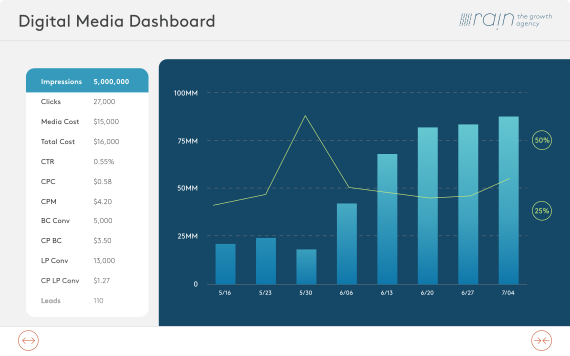
Case studies

Key Results
63%
YoY growth in sales
54%
YoY new customer growth
47%
YoY web traffic increase
OOFOS
MEDIA + CREATIVE
The mOOvers campaign featured all-star athletes as brand ambassadors, driving significant growth in awareness and sales.
View Case Study
Key Results
82%
decrease in cost per Add to Cart from TikTok
29%
increase in purchase volume from Snapchat
24%
increase in purchase volume on Facebook
Total Gym
MEDIA + CREATIVE + STRATEGY
Using our fast-growth paid social expertise, Total Gym reached new audiences and significantly increased sales.
View Case Study
Key Results
10%
YoY Increase in new website users*
15%
YoY Increase in website sessions**
19%
YoY decrease in website bounce rate
EGO POWER+
MEDIA + CREATIVE + STRATEGY
Our cross-channel approach is building brand awareness for EGO in a highly competitive space while delivering on key business KPIs.
View Case StudyOur people: Strategic, passionate, and innovative.
Our ethos: committed to excellence, fiercely independent, driven to win.
Our Culture
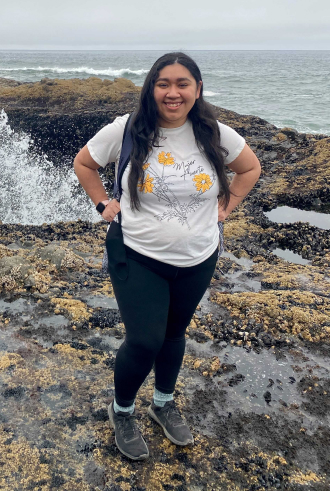
Perlita
Senior Media Planner

Kyle
Senior Analytics Systems Programmer

Stasia
Associate Director, Paid Search
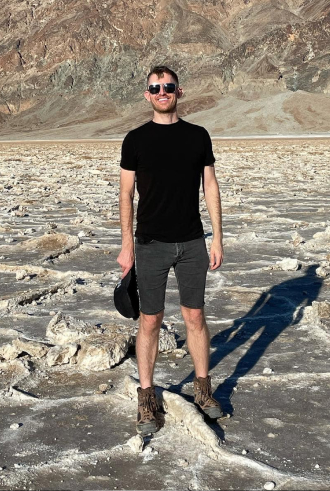
Mark
Analytics Manager, Data Visualization
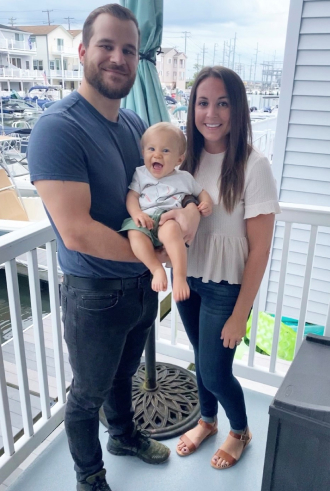
Nicole
Senior Account Executive

Count on the recognized leader:
0+
People
Over 300+ employees in more than 30 states nationwide
0+
Years
Over 24 years as an independent, performance marketing leader
0+
Clients
40 current clients in ecommerce, senior-focused goods, fitness, healthcare and more
$0M
Annual Billings
$800 million in annual billings
Our roots and headquarters are in the Pacific Northwest city of Portland, Oregon. We have virtual employees all around the country in 30+ states.
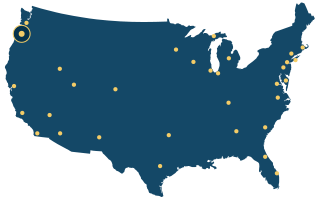
Headquarters
249 NW Park AvenuePortland, OR 97209